Fighting Displacement and Empowering Communities in Brooklyn
Brooklyn is a vibrant borough known for its rich history, diverse culture, and dynamic neighborhoods. However, in recent years, it has faced significant challenges, particularly in the realm of housing and community displacement. As gentrification sweeps through many areas, long-time residents find themselves at risk of being pushed out of their homes. This blog post explores the efforts being made to combat displacement and empower communities in Brooklyn, highlighting key initiatives, organizations, and the importance of community engagement.

Understanding Displacement in Brooklyn
Displacement occurs when residents are forced to leave their homes due to rising rents, property development, or other economic pressures. In Brooklyn, this phenomenon has been particularly pronounced in neighborhoods like Williamsburg, Bed-stuy, Bushwick, and Crown Heights. The influx of wealthier residents and the development of luxury housing have driven up property values, making it increasingly difficult for low- and middle-income families to afford their homes.
The Impact of Gentrification
Gentrification can lead to a loss of cultural identity and community cohesion. Long-time residents often find themselves isolated as their neighborhoods change around them. The consequences of displacement are profound, affecting not only housing stability but also access to essential services, schools, and community networks.
Key Statistics
Rising Rent Prices: According to a report by the New York City Rent Guidelines Board, the average rent in Brooklyn has increased by over 30% in the last decade.
Population Changes: The U.S. Census Bureau reported that between 2000 and 2020, Brooklyn's population grew by approximately 8%, with a significant influx of higher-income residents.
Community-Led Initiatives
In response to the challenges posed by displacement, various community-led initiatives have emerged in Brooklyn. These programs aim to empower residents, promote affordable housing, and foster community engagement.
The Role of Community Organizations
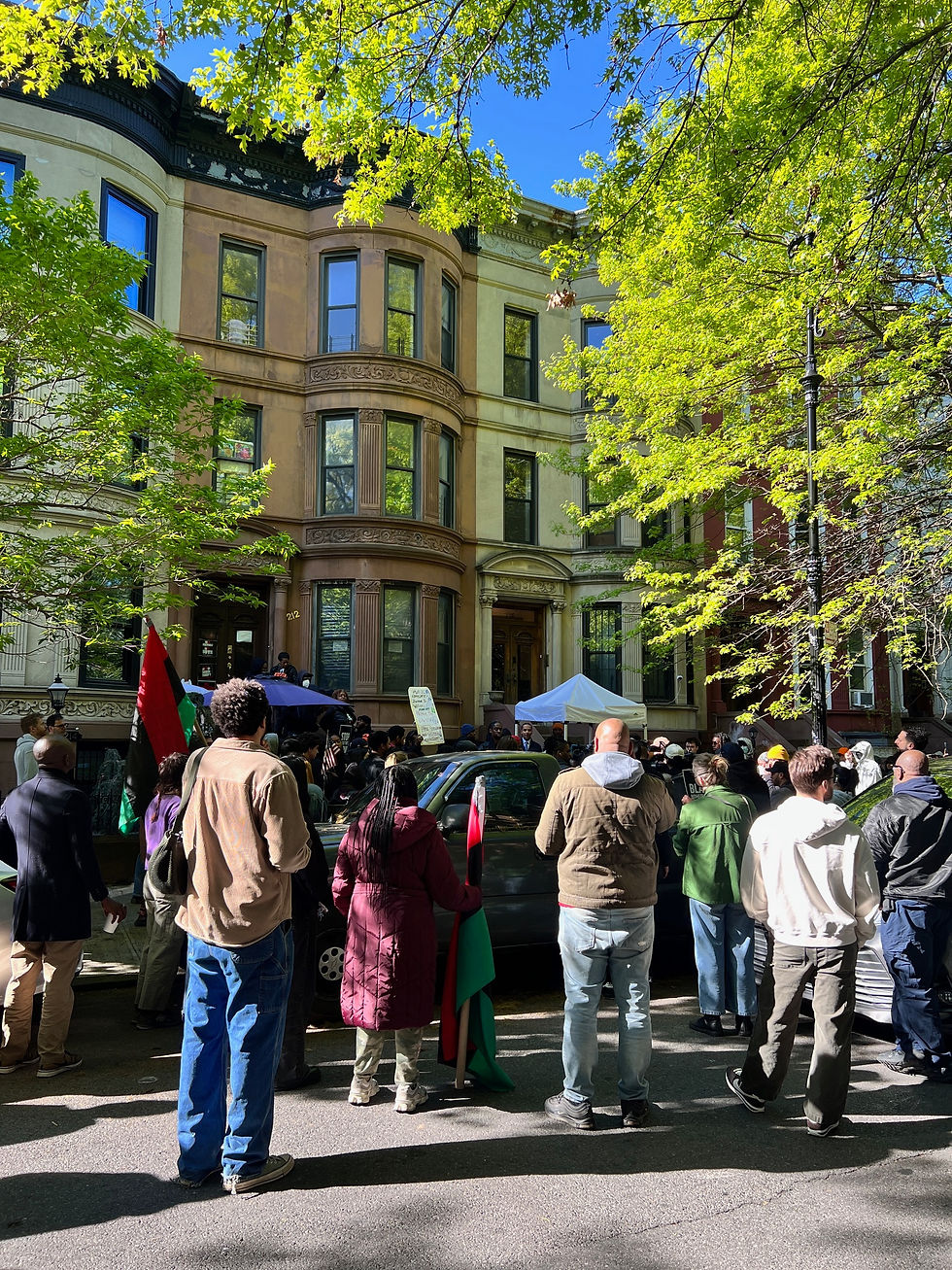
Organizations like Save Our Properties NY and The People's Coalition to Stop Deed Theft are at the forefront of the fight against displacement. They provide court watch, advocacy, and resources to help residents navigate the complexities of housing laws for both homeowners and tenants.
The Importance of Community Engagement
Community engagement is vital in the fight against displacement. When residents are actively involved in shaping their neighborhoods, they are more likely to advocate for their needs and protect their homes.
Building Community Networks
Creating strong community networks can help residents share resources, information, and support. Initiatives like community forums and neighborhood block associations provide platforms for residents to voice their concerns and collaborate on solutions.
Education and Awareness
Raising awareness about tenant rights and housing issues is crucial. Workshops and informational sessions can empower residents with the knowledge they need to advocate for themselves. There are many organizations that offer educational programs that cover topics such as tenant rights, housing stability, and financial literacy.
Policy Advocacy
Advocacy at the policy level is essential for creating systemic change. Community organizations and residents must work together to push for policies that protect tenants and promote affordable housing.
Key Policy Initiatives
Omar Hardy has worked alongside public officials to get bills written and passed that will help put an end to deed theft and keep families in their homes including Senator Jabari Brisport's most recent Bill which allows for a Private Right of Action to recover damages when individuals have been unlwafully displaced.
The Role of Local Government
Local government plays a crucial role in addressing displacement and supporting community initiatives.
Collaborating with Community Organizations
Local government can partner with community organizations to develop programs that address the specific needs of residents. This collaboration can lead to more effective solutions and a stronger sense of community.
Funding and Resources
Allocating funds for legal support, homeowner protections and tenant programs is essential. Local government can also provide resources for community organizations to expand their outreach and services.
Conclusion
Fighting displacement and empowering communities in Brooklyn requires a multifaceted approach that includes community engagement, policy advocacy, and cooperation between residents, organizations, and local government. By working together, we can create a more equitable and inclusive Brooklyn where all residents have the opportunity to thrive.
As we move forward, it is crucial for residents to stay informed and engaged. Whether through attending community meetings, advocating for policy changes, or supporting local organizations, every action counts in the fight against displacement. Together, we can build a stronger, more resilient Brooklyn for everyone.

Comments